Loading page…
How to Prepare for GCSEs in Year 10: A Simple Guide for Students and Parents
Published on
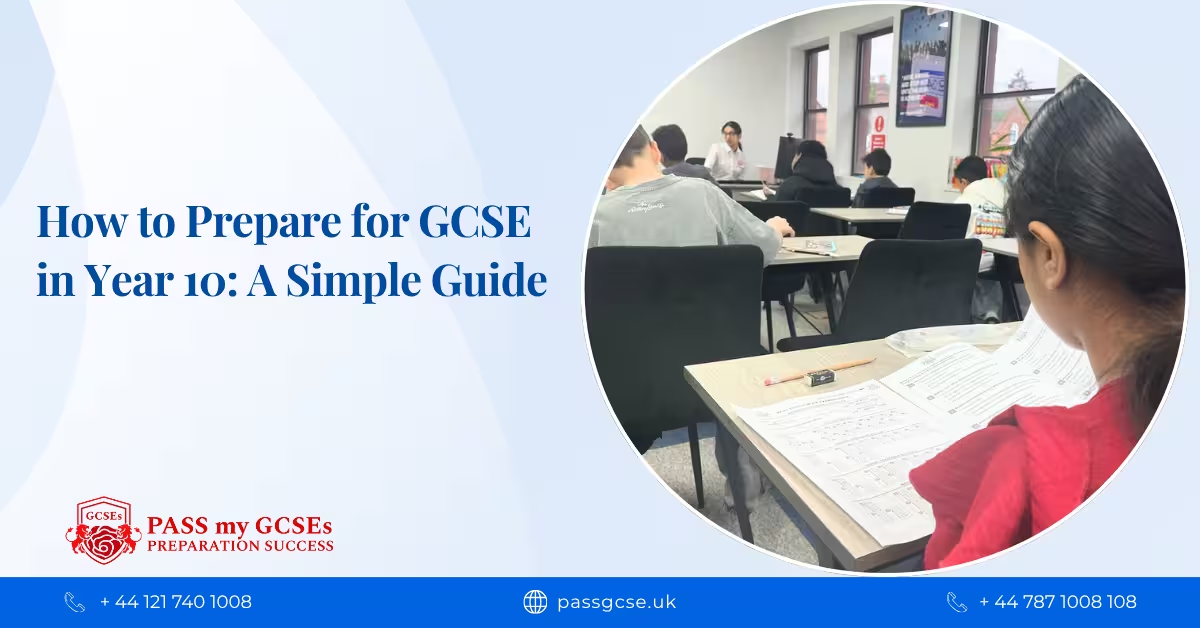
At the start of Year 10, GCSEs can still feel far away, almost like something that will happen someday, not right now. But this is actually one of the most important years in a student's school life. This is when real exam content begins, and the habits built now quietly shape how calm or stressful Year 11 will feel later.
The good news is that Year 10 is not about doing intense revision every single night. It is about laying a simple, steady foundation. In this guide, we will walk through exactly what that looks like, in plain language that makes sense for both students and parents.
Key Takeaways
Year 10 marks the true start of GCSEs, so what happens now matters more than it seems.
Small, regular study habits work far better than long, last minute revision sessions.
Teachers are one of the most valuable sources of support, so asking questions early really helps.
School assessments and mocks are a useful chance to practise, not something to fear.
Balance matters too, sleep, hobbies and downtime all support better learning.
Why Year 10 Really Matters for GCSE Success
Year 10 is the beginning of what schools call Key Stage 4, which is simply the official start of the GCSE years. Some subjects even begin coursework or graded assessments during this year, meaning marks can start counting towards final grades earlier than most students expect.
Starting preparation early gives your child a few real advantages.
Topics can be learned properly as they are taught, instead of being crammed later
Reviewing material again and again over time, known as spaced practice, helps information stay in memory much longer
Good revision habits get to form slowly, without pressure
Year 11 feels far less stressful, since the groundwork is already there
Revision does not need to wait until Year 11. Gently reviewing topics, practising a little at a time, and getting used to feedback during Year 10 all help a child feel far more confident once real exams get closer.
Building Strong Study Habits Early, Without the Pressure
Year 10 is not the time for hours of intense revision. It is about building small, manageable habits that quietly add up over the year. Here are a few simple ones that genuinely help.
Get Into the Habit of Reviewing
After a topic is taught in class, spending just ten to fifteen minutes looking back over it later that same week makes a big difference. Writing down the key points from memory, or explaining the topic out loud to someone else, helps the brain hold onto it far longer than simply reading notes again.
Try Light, Regular Recall Practice
There is no need to revise everything all the time. A short bit of self-testing now and then, using flashcards or a few quick questions, keeps knowledge fresh without feeling like a chore.
Build a Simple, Realistic Routine
One or two short sessions a week is a great place to start, even if each one is only around twenty minutes long. This can fit comfortably around homework, hobbies and downtime. The goal is not to revise harder, but to stay gently on top of things, so nothing tricky gets forgotten.
Working With Teachers, and Not Being Afraid to Ask for Help
Teachers play a huge role in helping students settle into GCSE level work. If something taught in class does not fully make sense, asking early is one of the best things a student can do. That is exactly what teachers are there for, and a quick question now can prevent confusion from building up later.
Extra help sessions, feedback from classwork, and support groups offered by school are all worth using. Even briefly looking back over recent classwork at home can help ideas settle in properly.
Parents have an important part to play too, though it does not need to involve pressure. Gently checking in, having open conversations about how school is going, and creating a calm space to study all help far more than constant reminders about revision.
Making the Most of Mock Exams and School Assessments
Many schools begin informal tests and assessments during Year 10. Rather than something to be nervous about, these are actually valuable opportunities to:
Get used to real exam conditions
Practise timing and exam technique
See clearly which topics need a little more attention
These early assessments are not meant to be high pressure. They exist to help teachers spot where extra support might help, which means every one of them is a useful stepping stone rather than a final judgement on ability.
This same idea, using practice to build real confidence, is something we believe in strongly. Our GCSE mock exams are designed to feel just like the real thing, giving students a safe space to get comfortable with timing and exam pressure well before Year 11 arrives.
Turning Small Habits Into a Bigger Plan
As the school year moves along, it helps to slowly build these small habits into something a bit more structured. This does not mean adding pressure, it simply means being a little more organised about what to revise and when.
Follow a Clear, Guided Structure
Rather than jumping between random topics, following a clear plan keeps revision focused and far less overwhelming. Our GCSE revision courses are built to guide students through each subject step by step, so nothing important gets missed and nothing feels rushed.
Practise With Real Exam Style Questions
Getting comfortable with how questions are actually worded is one of the most useful things a student can do, even this early on. We always recommend trying real past papers, since nothing builds familiarity with the exam quite like practising with genuine questions.
Get Personal Support Where It Is Needed
Every student finds different topics tricky. Rather than struggling alone with one weak area, personal guidance can help fix gaps quickly and clearly. Our GCSE tutors work closely with each student, focusing on exactly what they need help with, so Year 10 becomes a year of steady progress rather than stress.
Staying Balanced Matters Just as Much as Studying
Preparing for GCSEs does not mean giving up everything else. In fact, a well balanced routine actually supports better focus and stronger memory over time. A few simple things help enormously.
Keeping a regular sleep routine
Making time for sport, music, or any creative hobby
Keeping social time and screen time in a healthy balance
Parents watching gently for early signs of stress or burnout, and pausing to adjust the schedule together if needed
Consistent, manageable revision paired with genuine downtime gives students the best possible chance of doing well, both in Year 10 and later in Year 11.
Final Thoughts
Year 10 is not about cramming or piling on pressure. It is a chance to build good habits early and become familiar with how GCSEs actually work. Small, steady steps, gentle review, staying curious, and asking for help when it is needed, can add up to a huge difference by the time exams arrive. Progress does not need to happen overnight. There is plenty of time, and steady effort really is what makes the biggest difference in the end.
Want a clear, structured plan to help your child move through Year 10 with confidence? Our experienced tutors are here to guide every step, right from the very start.
Frequently Asked Questions
Is Year 10 too early to start GCSE revision?
Not at all. Year 10 is actually the ideal time to start building light, regular study habits, since it takes the pressure off last minute revision in Year 11.
How much revision should a student do in Year 10?
Just one or two short sessions a week, around twenty minutes each, is a great starting point. The focus should be on steady habits, not long hours.
Do Year 10 assessments actually count towards final GCSE grades?
Some subjects do begin coursework or graded assessments during Year 10, which is exactly why building good habits early really does matter.
How can parents help without adding pressure?
Simple things help most, gently checking in, encouraging open conversations about school, and creating a calm space for study, rather than constant reminders about revision.
Should students still make time for hobbies during Year 10?
Yes, definitely. A balanced routine with proper sleep, hobbies and downtime actually supports better focus and stronger memory, not less.
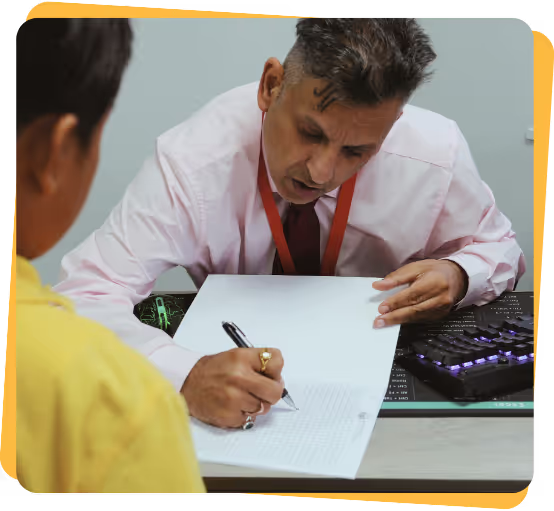
Mr Singh
Founder, Pass My GCSE
Mr Singh is the founder of Pass My GCSE, with over 30 years of teaching experience. Having overcome academic setbacks himself, he is passionate about ensuring no child struggles alone. His approach focuses on personalised support, strong foundations, and building confidence. He has helped students achieve outstanding results in 11+ and GCSE examinations
Loading related posts…
Ready to Transform Your Child's GCSE Results?
Join hundreds of Birmingham families who trust Pass My GCSE to deliver real, measurable results.